

Real silver. A stone with a name. Stamped 925.
Each stone named and measured on its own page.
Shop the collection


925, stamped
Every piece carries the .925 hallmark in the metal. Turn it over and check.
Stones named
Named on the product page — amethyst, garnet, peridot, blue topaz — never just 'gemstone'.
Free shipping
Every US order ships tracked, no minimum. Out the door in 1–2 business days.
30-day returns
Return within 30 days of delivery in original condition. Charizzma covers return shipping with a prepaid, insured label.
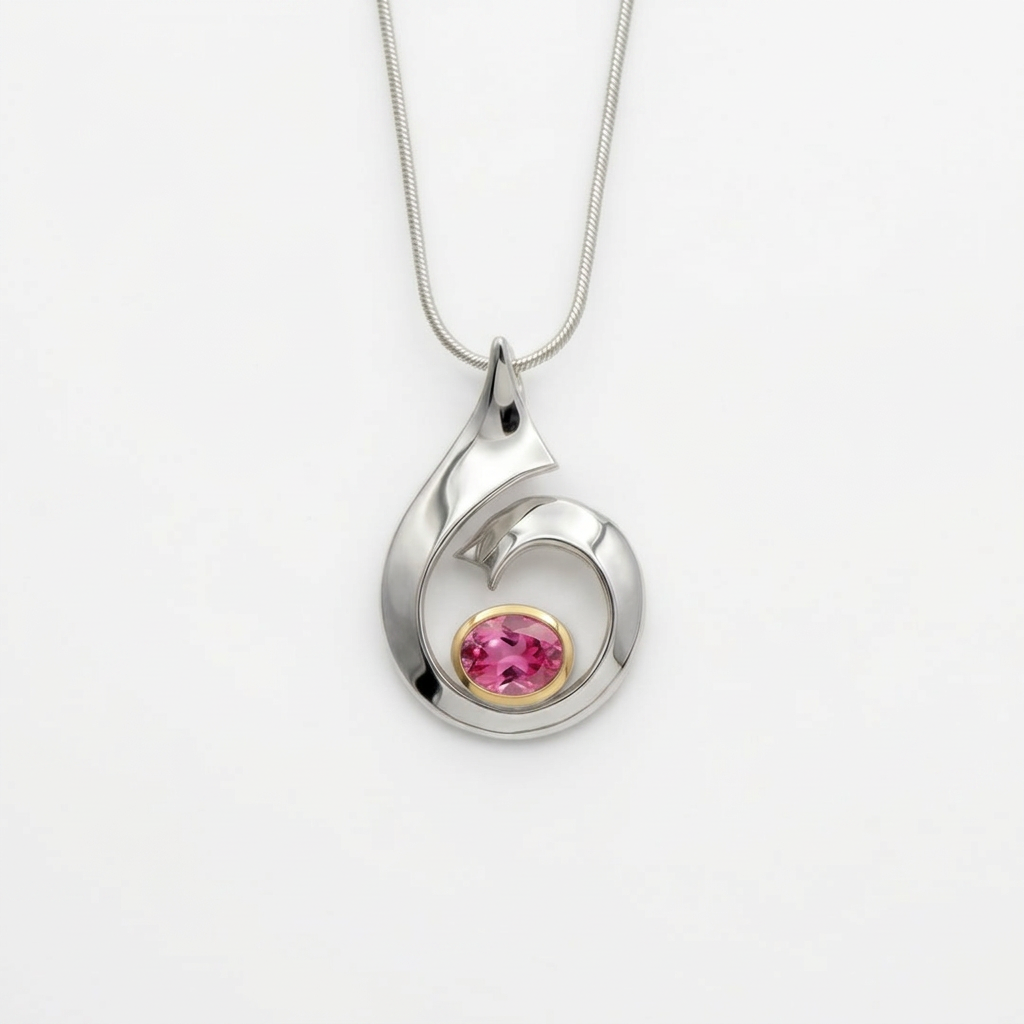


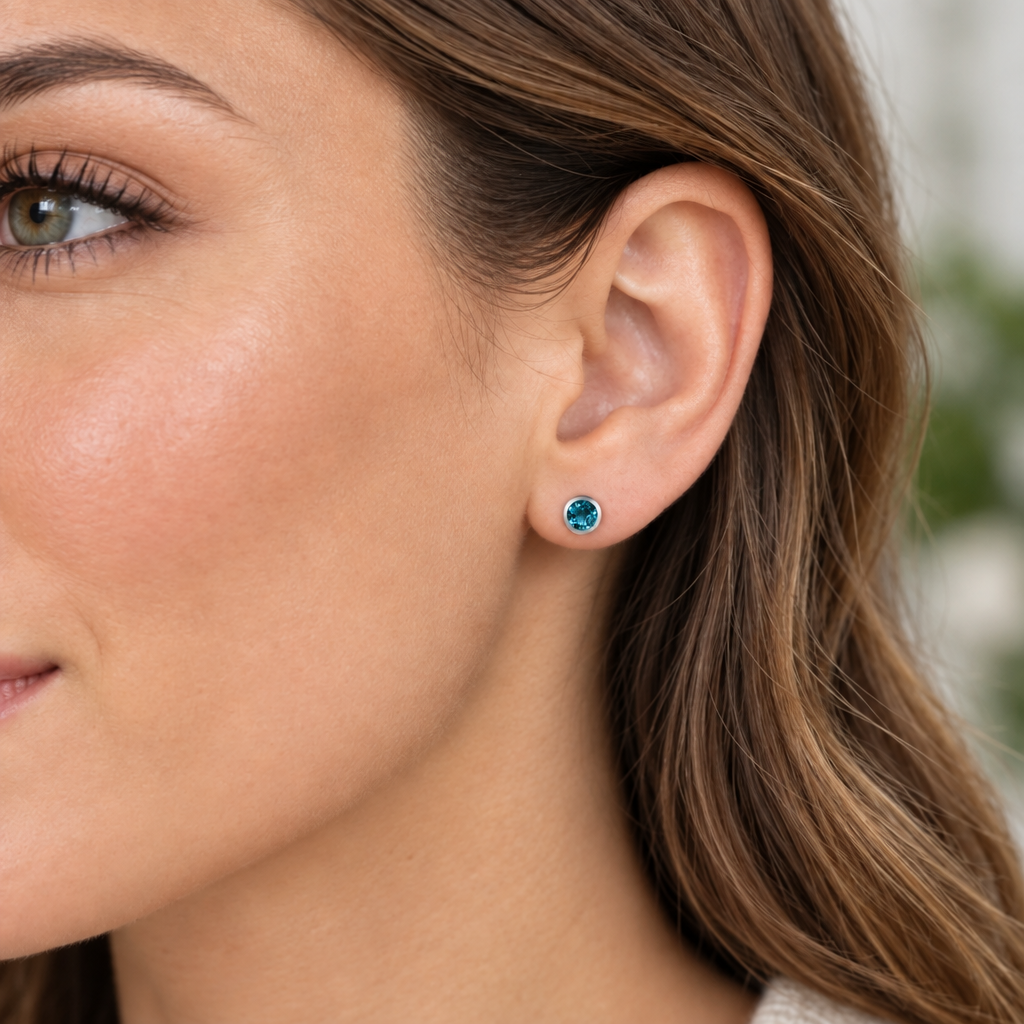


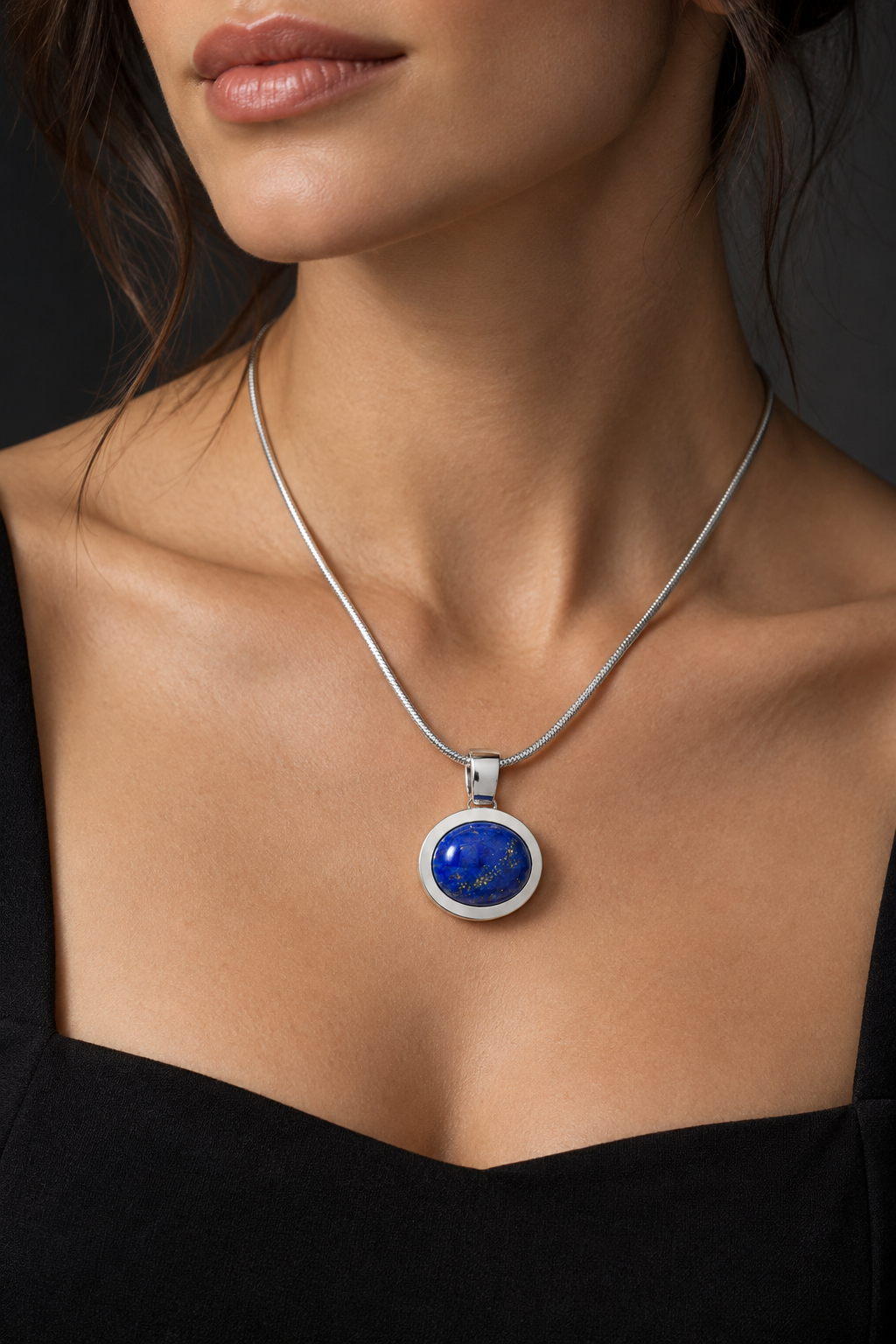
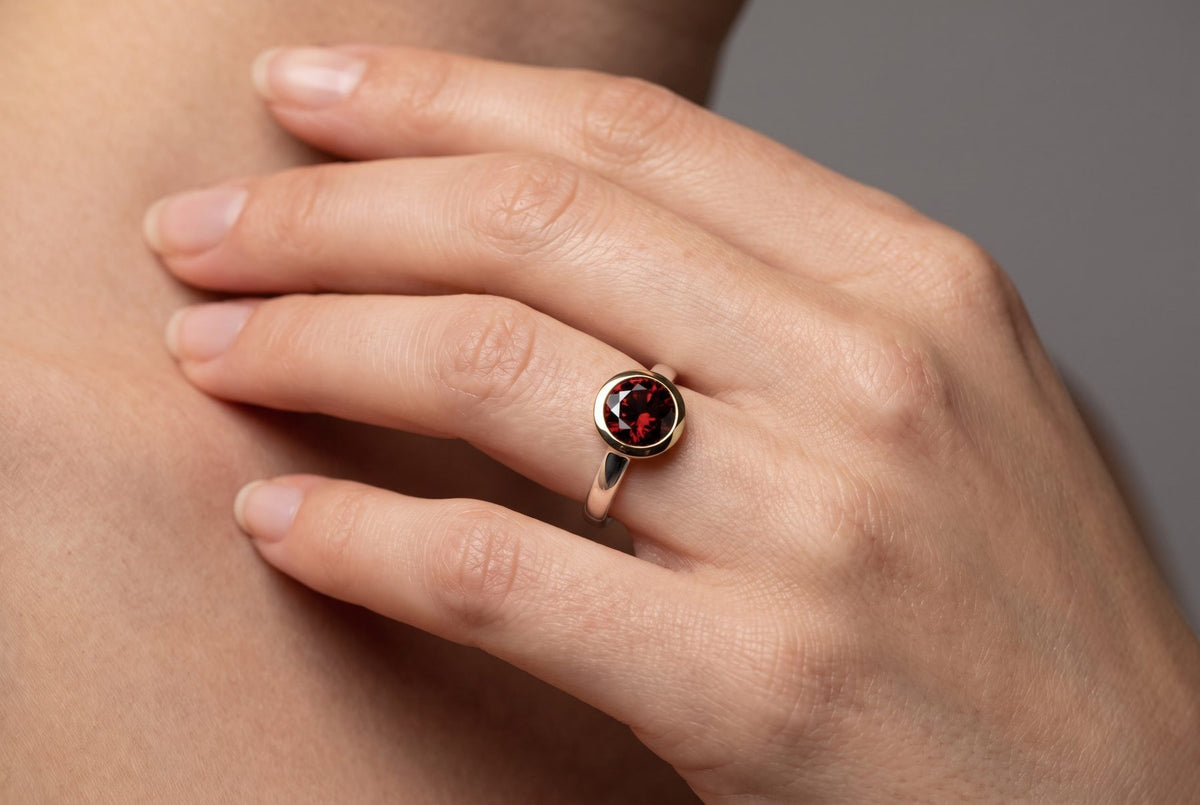


One of one
Pieces with one left
Not a sale and not a countdown. These happen to be down to a single piece, and some of them will not be made again.
 One left
 One left
 One left
 One left
Stock counts come straight from the shelf. When a piece sells, it leaves this row the same day.
Start here
-
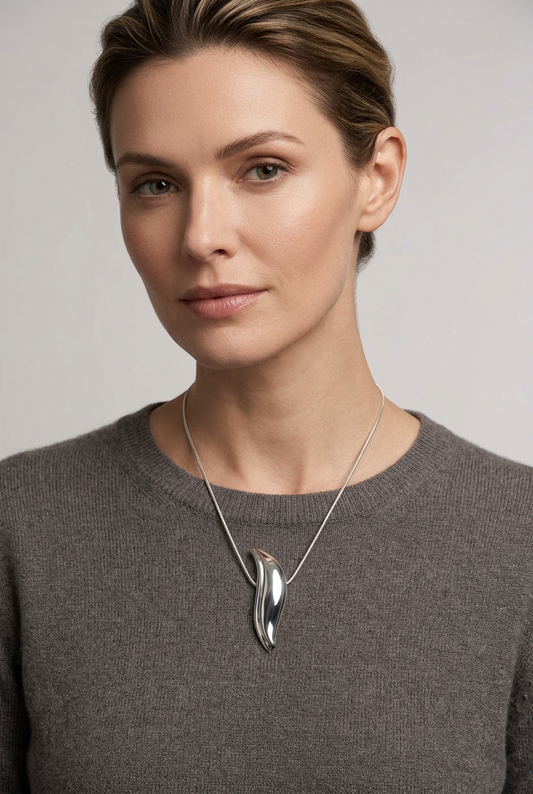
Silver Pendant in 925 Sterling Silver
Regular price $194.90 USDRegular price -
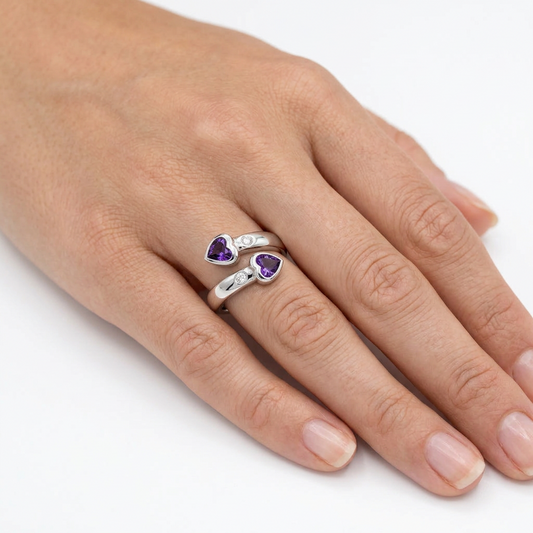
Double Heart Amethyst Ring | R6767
Regular price $185.90 USDRegular price -
Pearl Wire Earrings in 925 Sterling Silver
Regular price $189.90 USDRegular price -
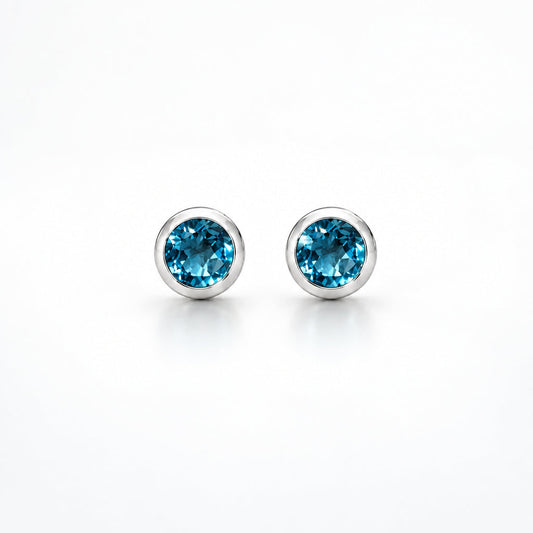
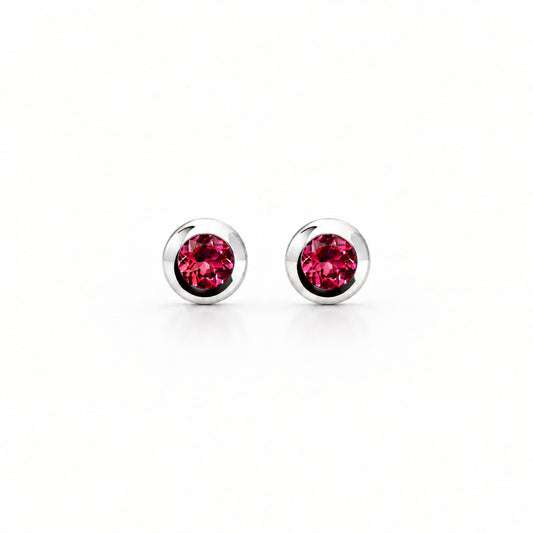
Gemstone Earrings in 925 Sterling Silver
Regular price From $124.90 USDRegular price -
Modern Silver Pendant in 925 Sterling Silver
Regular price $199.90 USDRegular price -
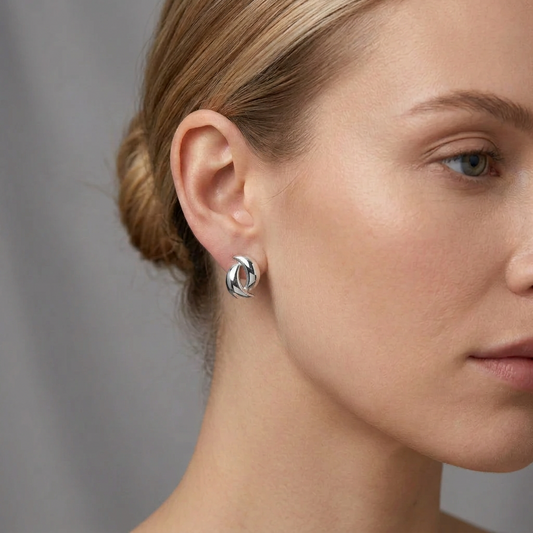
Modern Earrings in 925 Sterling Silver
Regular price $164.90 USDRegular price -
High Polish Petals Earrings in 925 Sterling Silver
Regular price $188.00 USDRegular price -
16"
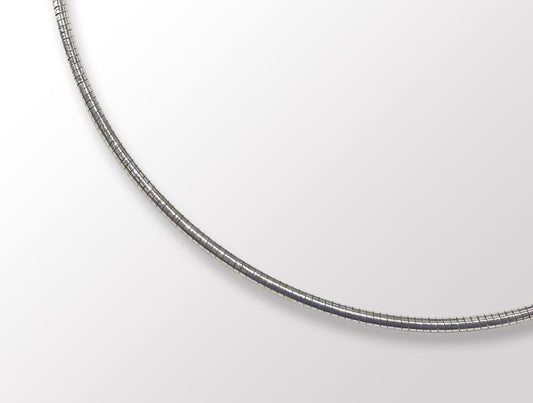
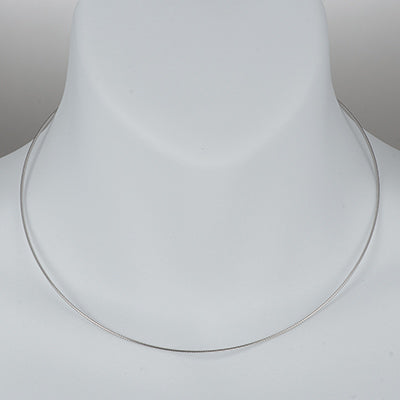
1.8 Mm Omega Cable Chain in 925 Sterling Silver
Regular price $125.00 USDRegular price








The same ring, two ways to make it
What you are actually buying
Two rings photograph the same. Cut them in half and they stop being the same thing. This is the cut.
The marketplace listing
$29Cross-section, enlarged. The plating is roughly one two-hundredth the thickness of a sheet of paper.
This piece
$188Cross-section, enlarged. There is no second metal in the piece.
Turn any piece over. The stamp is the claim.
What 925 actually meansBefore you ask
Why this costs more than the marketplace listing
Why is it cheaper on the marketplaces?
The listing that undercuts this one is almost always plated: a base-metal core under a skin of silver that can be thinner than half a micron — about one two-hundredth the thickness of a sheet of paper. It photographs identically. It wears through. The stamp and the weight are what separate them.
Is this real silver?
Turn the piece over and look for 925 — three digits stamped into the metal, usually on the back or near the clasp. In the US that mark is a legal claim about what the metal is: 92.5% pure silver. Every Charizzma piece carries it. If a piece has no stamp at all, ask why before you buy.
What if it tarnishes?
Tarnish sits on the surface. It's a reaction between silver and the air, it comes off with a cloth, and it comes back — that's maintenance, and it happens to every solid silver piece ever made. Plating wearing through is the opposite: it doesn't come back, because there's nothing underneath but base metal. One is a chore. The other is a countdown.
Eighteen stones, three answers
How often you can wear it
Hardness is not a selling point, it is a planning tool. Here is which of our stones takes a day at a keyboard, and which one would rather stay in the box until Friday.
Every day
Quartz and garnet sit at 7, above the grit that floats around a house. They take knocks and keep their polish. A ring you never take off belongs here.
Often, with a little care
Topaz is harder than quartz and still splits cleanly along one plane if it catches a door frame. Iolite does the same. These are happier in earrings and pendants than on a hand.
Mohs measures scratching, not toughness — a stone can be hard and still chip. We would rather say which is which than sell you a pearl for the gym. How to care for each one →
Five questions, no email needed
Which stone is yours?
We start with color, because nobody shops by thinking 'iolite'. Five questions, then your stone and everything we make in it.
Who is this for?
Pick the color you keep coming back to.
What do you wear most?
Shopping for a birthday? Pick the month.
Only the months we actually have stones for. Pick one and it overrides your color above.
Which is more you?
Gifts
Giving it to someone else
The hardest part of a jewelry gift isn't the price. It's not knowing what's actually going to be in the box.
Under $200
Sterling silver and natural stone under $200, with no plating anywhere in it.
See gifts under $200The safe bet
The pieces we'd hand you first. If you're buying for someone whose taste you're guessing at, start here.
See the selectionFor a milestone
Matched sets and pearls. For an anniversary, or a birthday with a zero on the end.
See the setsNot sure? Ask us.
Tell us who it's for and what you want to spend, and we'll come back with three pieces that fit.
Write to us